From Brick to Pocket: The Evolution of Mobile Phones
The evolution of mobile phones is a fascinating chronicle of technological progress and shifting user expectations. From the earliest car-mounted units that occupied significant space to the sleek pocket-sized devices of today, the journey reflects a continuous push towards greater portability, connectivity, and utility. This article traces that trajectory, examining the pivotal design changes and technological breakthroughs that have defined each era.
Understanding this evolution requires looking at the interplay between hardware capabilities, network infrastructure, and consumer needs. While the fundamental purpose of communication has remained constant, the ways in which we interact with mobile devices have undergone a radical transformation. The story is not merely about shrinking size, but about expanding functions and integrating devices deeply into daily life.
The Era of Car Phones: Mobile but Not Portable
The earliest mobile telephones were not designed for personal carrying in the modern sense. Introduced in the mid-20th century, these devices were often installed in vehicles, using the car’s power supply and antenna. In Estonia and elsewhere, car phones represented a significant step towards mobility, liberating communication from fixed landlines, yet their physical presence remained tied to the automobile.
These systems operated on analog networks, providing basic voice communication with limited coverage. The equipment was bulky, with a transceiver often housed in the trunk and a handset mounted near the driver. Calls were established through operator assistance or, later, direct dialing, but the experience was far from seamless. Battery life was not a primary concern since the vehicle supplied power, but the overall form factor was a far cry from what would later be considered a personal device.
The Portable Brick: From Bag Phones to Handhelds
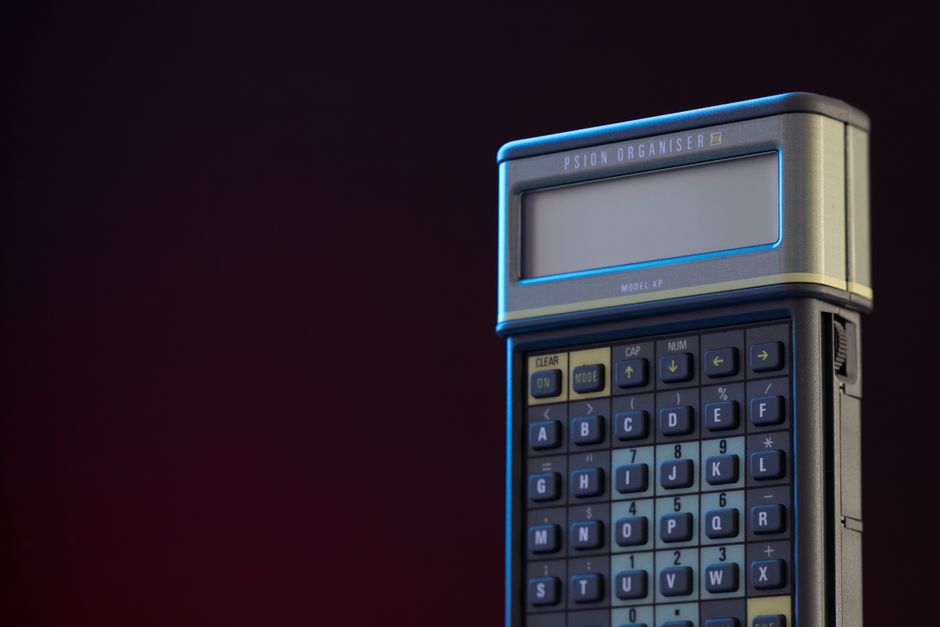
The transition to truly portable phones began with devices like the Motorola DynaTAC in the 1980s, which, despite its brick-like appearance, could be carried by an individual. These early handheld phones were a novelty, often associated with business executives and affluent users. Their design prioritized function over form, with bulky batteries and large antennas, yet they signaled a shift towards personal ownership of telecommunication equipment.
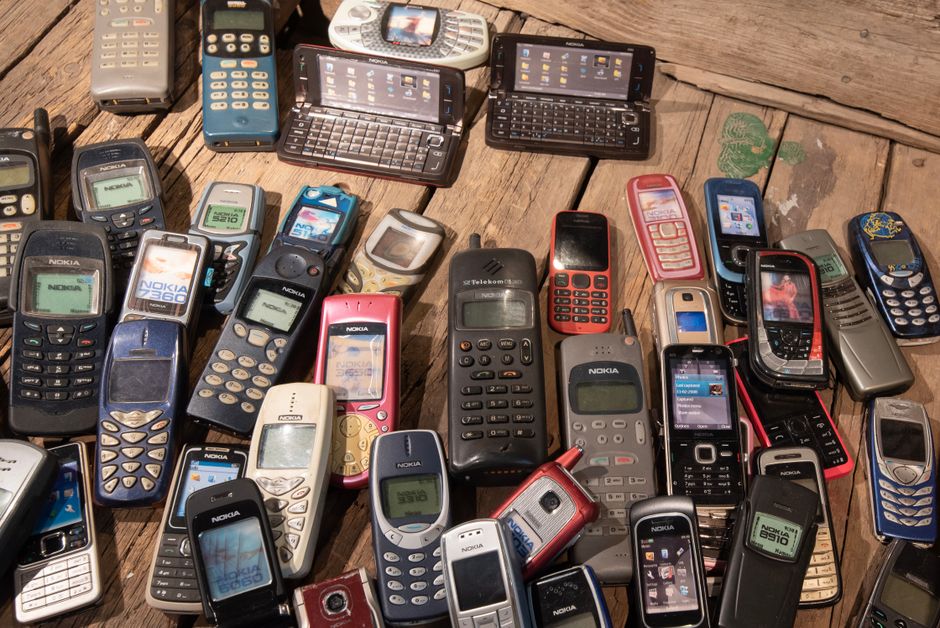
Subsequent generations of mobile phones saw gradual improvements in size and battery life. The concept of the mobile phone as a fashion accessory and status symbol began to emerge, with manufacturers exploring different form factors, from candybar to flip designs. Network evolution from analog to digital (such as GSM) enhanced voice quality and introduced new services like SMS, which began to expand the phone’s utility beyond voice calls.
The Smartphone Revolution: Integrating Computing Power
The true revolution arrived with the integration of general-purpose computing capabilities into mobile devices. The introduction of the iPhone in 2007 is often cited as a watershed moment, but the groundwork was laid by earlier smartphones like the Nokia Communicator series. These devices combined telephony with personal digital assistant features, offering email, calendar, and basic web browsing. However, the interface was often stylus-based and complex.
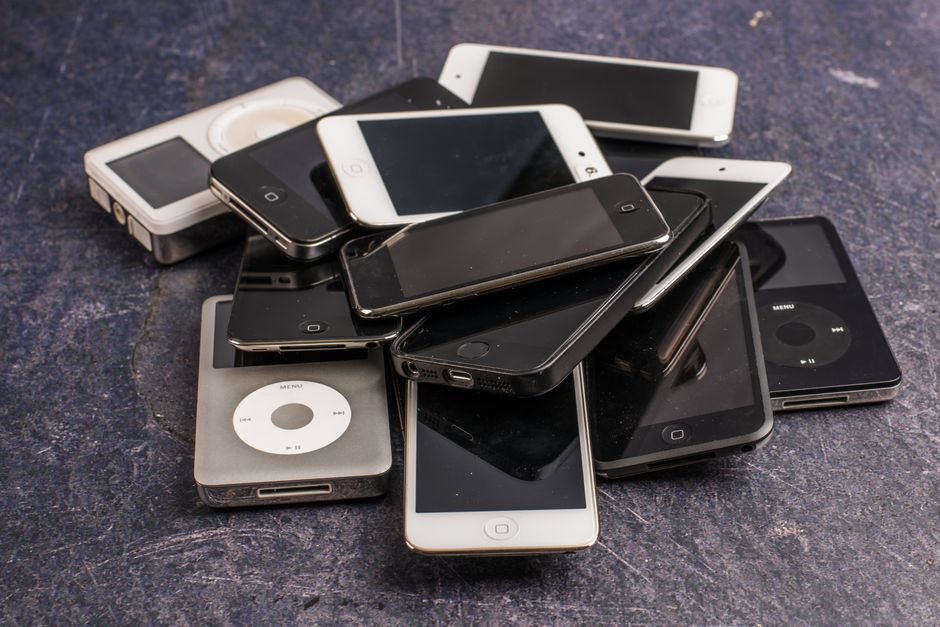
The shift towards capacitive touchscreens revolutionized user interaction, allowing for intuitive gestures and multitouch input. This design change made smartphones accessible to a broader audience, moving beyond early adopters and technology enthusiasts. The app ecosystem emerged as a defining feature, enabling users to customize their devices with software for every conceivable purpose, from navigation to health tracking. This period also saw significant advancements in camera technology, display quality, and battery management, all packed into increasingly thin and light enclosures.
As mobile devices became more capable, the focus shifted from raw specifications to user experience, with an emphasis on seamless integration of hardware and software.
Key Technological Breakthroughs Enabling the Compact Form
The miniaturization of mobile phones would not have been possible without breakthroughs in several key areas. Processor technology advanced significantly, with chipsets becoming more powerful while consuming less power. Memory storage also became denser and faster, allowing for more complex applications and data storage. Perhaps most crucial was the development of lithium-ion batteries that offered high energy density in a compact size, although battery life remains a persistent constraint.
Connectivity standards evolved in tandem, from 2G to 3G, then 4G and now 5G, each generation enabling new services and faster data rates. This network progression has been essential for smartphones to serve as hubs for streaming, cloud computing, and IoT (Internet of Things) interactions. Design engineering also played a vital role, with materials like aluminum, glass, and advanced composites providing structural integrity while minimizing weight.
Design Language Evolution: From Buttons to Bezel-less Displays
The physical design of mobile phones has undergone a dramatic aesthetic transformation. The early brick phones featured large keyboards and small monochrome screens. The flip phone and slider designs offered compactness and protected keypads. But the most significant change came with the shift to touchscreen-only interfaces, which eliminated the physical keyboard to maximize display area. This design philosophy, known as the “bezel-less” trend, has led to displays that cover nearly the entire front face, incorporating fingerprint sensors and cameras under the glass.
Current smartphones emphasize thinness and weight reduction, sometimes to the point of sacrificing battery size or durability. The use of curved glass and metal frames provides a premium feel, while foldable displays represent the latest frontier, offering larger screens in a pocketable form. However, these innovations also introduce complexities in terms of durability and user adaptation, reflecting a balance between form and function that continues to evolve.
Modern mobile design is a testament to how far the industry has come, not only in shrinking components but also in reinterpreting what a phone can be.
Conclusion: The Future of the Pocketable Device
As mobile phones have evolved from bulky car units to slim pocket-sized devices, they have become indispensable tools for modern life. The journey has been driven by continuous innovation in hardware, software, and design, with each breakthrough enabling new possibilities. The current landscape shows a convergence of communication, computation, and sensory input, with AI playing an increasingly prominent role in optimizing functionality.
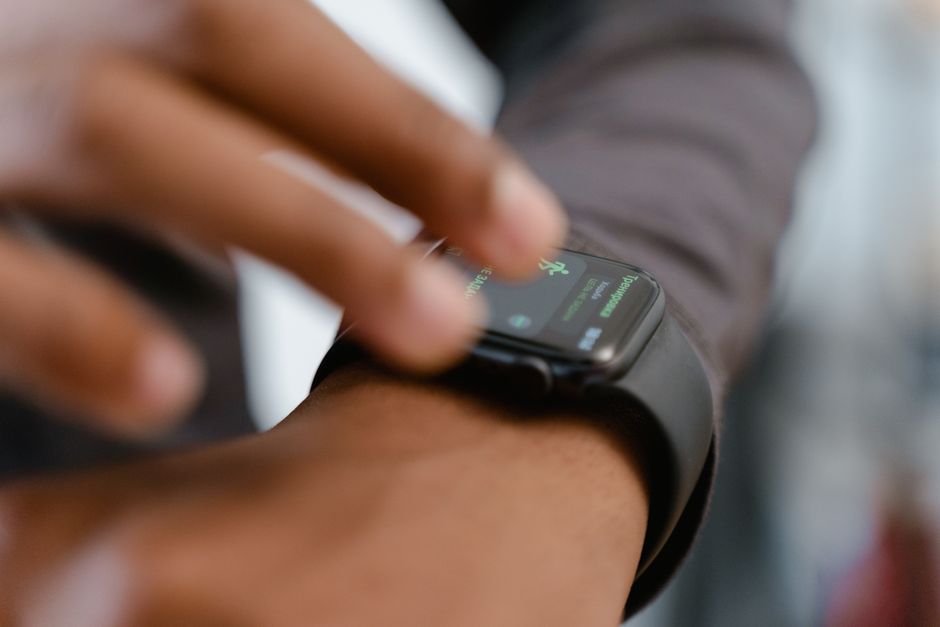
However, the evolution is far from over. Challenges such as battery life, repairability, and electronic waste remain pressing. The industry is exploring modular designs and sustainable materials, but widespread adoption is yet to be seen. The future of the mobile device may not be a conventional phone at all, but rather a range of form factors, including wearables and augmented reality interfaces, as the need for portable connectivity persists. Ultimately, the mobile phone’s history is a testament to human ingenuity in solving the problem of staying connected while on the move.