Wearable Tech Revolution: From Pedometers to Smartwatches
The evolution of wearable technology is a fascinating journey that mirrors broader trends in consumer electronics, miniaturization, and data-driven living. From the humble beginnings of mechanical pedometers to the sophisticated smartwatches of today, these devices have transformed how people interact with information and manage their daily routines. Understanding this progression offers valuable insights into the design philosophy and technological advancements that have shaped the modern wearable landscape.
This article explores the key phases of wearable tech development, focusing on the transition from simple step counting to comprehensive health and connectivity features. It also examines the role of companies like EvolveTech in driving innovation and the factors that have contributed to the widespread adoption of these devices. By tracing this trajectory, we can appreciate the current state of wearable technology and consider the directions it might take in the future.
From Mechanical Pedometers to Digital Fitness Trackers
The earliest wearable devices were mechanical pedometers, which emerged in the 18th century. These devices used a pendulum or a spring-loaded mechanism to count steps, providing a basic measure of physical activity. While they were simple and lacked digital displays, they established the concept of personal activity tracking. The first digital pedometers appeared in the late 20th century, incorporating electronic sensors and LCD screens. These devices became popular among fitness enthusiasts who sought to monitor their daily walking distances and step counts.
The introduction of accelerometers and microcontrollers allowed for more accurate step detection and additional metrics like estimated calories burned. Fitness trackers, as they came to be known, evolved to include features such as sleep monitoring, heart rate estimation, and idle alerts. This period marked a shift from passive step counting to proactive health management. Manufacturers began to focus on user engagement, developing apps and platforms that allowed users to visualize their data over time, set goals, and share achievements within social networks.
Despite their growing capabilities, early fitness trackers still had limitations. Battery life, water resistance, and compatibility with different devices were common concerns. Moreover, the data they provided was often seen as simplistic and not medically validated. Nevertheless, these devices laid the groundwork for the integration of sensors and algorithms that would later define smartwatches.
The Rise of Smartwatches: Connectivity Meets Health Monitoring
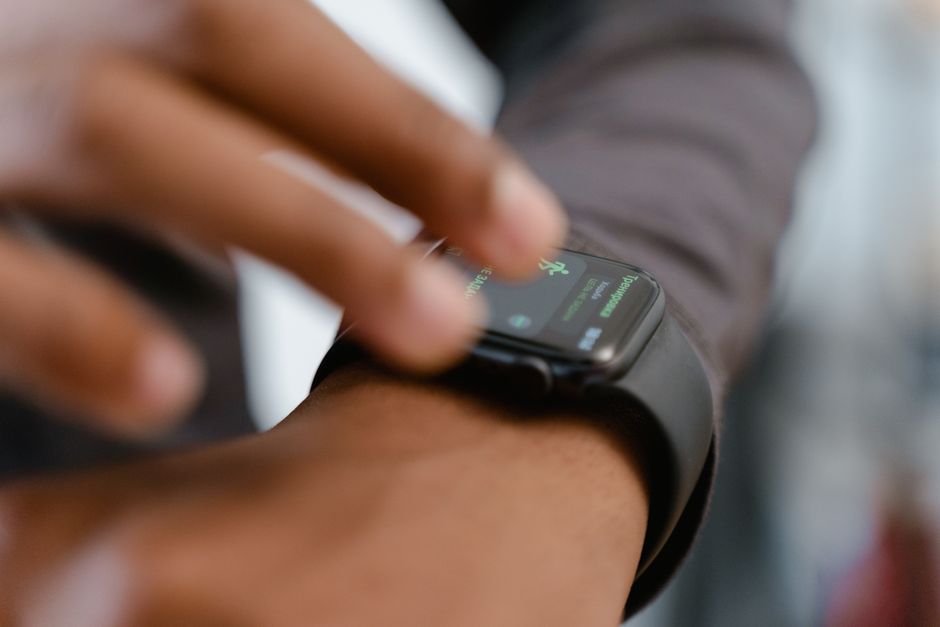
The transition from dedicated fitness trackers to smartwatches was a natural progression, driven by the desire to consolidate multiple functions into a single device. Smartwatches not only track physical activity but also serve as extensions of smartphones, displaying notifications, controlling music, and even making payments. This convergence of fitness and connectivity has made smartwatches highly versatile tools for daily life.
One of the most significant advancements in smartwatches is the inclusion of optical heart rate sensors, which measure pulse continuously without the need for a chest strap. This feature enables more accurate energy expenditure estimations and can detect irregular heart rhythms, providing users with insights into their cardiovascular health. Additionally, modern smartwatches incorporate GPS, which allows for precise tracking of outdoor activities like running, cycling, and swimming. They also include altimeters for stair climbing and barometers for weather-related data.
Beyond physical health, smartwatches have expanded into areas such as stress management, with guided breathing exercises and skin temperature monitoring. They can track blood oxygen levels, and some models can even perform electrocardiograms. These health-related capabilities have attracted attention from medical professionals and researchers, who see potential for wearable technology in population health studies and remote patient monitoring.
Connectivity remains a core feature of smartwatches. Through Bluetooth and Wi-Fi, they sync with smartphones and other devices, allowing users to receive calls, texts, and app alerts directly on their wrist. Some models offer cellular connectivity, making them independent of a phone entirely. This constant connectivity brings both convenience and challenges, such as battery life management and data privacy concerns.
User Experience and Design Philosophies
The design of wearable devices has evolved from utilitarian black straps and rectangular displays to fashion-forward accessories with customizable faces and bands. Manufacturers recognize that aesthetics play a crucial role in consumer acceptance, as users are more likely to wear a device that complements their personal style. Consequently, many brands collaborate with fashion houses and offer a wide range of materials, from silicone to metal and leather.
User experience extends beyond looks. The interface must be intuitive, with swipes and taps that are easy to perform on a small screen. Voice control, particularly with digital assistants, has become a standard feature, allowing hands-free operation. Haptic feedback provides subtle notifications without disrupting activities. The entire user journey, from unboxing to daily use, is carefully considered to minimize friction and encourage long-term engagement.
One of the ongoing challenges in wearable design is balancing functionality with battery life. Advanced sensors and always-on displays consume significant power, yet users expect their devices to last for days. Manufacturers address this by optimizing hardware and software, using low-power modes, and implementing fast charging technologies. Some devices now offer sleep tracking that requires an all-night charge, prompting users to charge during the day.
Privacy and data security are also central to user experience. Wearables collect sensitive personal health data, which must be protected. Companies implement encryption, secure data storage, and transparent data policies. Users need to have control over what data is shared and with whom. Building trust is essential, as concerns about data misuse can deter adoption.
The Impact on Health and Lifestyle
Wearable technology has influenced how people perceive and manage their health. By providing real-time feedback on activity levels, sleep patterns, and physiological metrics, these devices encourage self-awareness and self-monitoring. However, the impact is not uniform; it depends on how individuals interpret and act on the data. For some, the presence of a wearable may serve as a constant reminder to move more, stand up, or take breaks. For others, it might lead to an unhealthy obsession with numbers or anxiety over deviations.
Researchers are exploring the potential of wearable data to improve public health. Large-scale studies using wearables can gather continuous physiological data from participants, offering insights into population health trends, disease patterns, and the effectiveness of interventions. In Estonia, for instance, there is growing interest in using wearable data to promote preventive care and reduce healthcare costs. However, the clinical validity of consumer-grade sensors is still under scrutiny, and the data must be used responsibly.
Wearables have also found applications in workplace wellness programs, where employers may provide devices to encourage physical activity and reduce absenteeism. While these initiatives can be beneficial, they raise questions about privacy and the use of health data in employment decisions. It is important that such programs are designed with clear consent and respect for individual autonomy.
The integration of wearables into telemedicine is another area of promise. Patients with chronic conditions can transmit vital signs to caregivers, enabling remote monitoring and timely interventions. This approach can improve patient outcomes while reducing the burden on healthcare systems. Nevertheless, the reliability of consumer devices for medical diagnosis must be established through rigorous validation studies.
Technological Advancements and Future Directions
The capabilities of wearables continue to expand with advancements in sensor technology, artificial intelligence, and battery efficiency. Emerging features include continuous glucose monitoring for diabetics, which is currently available in some specialized devices, and sweat analysis to assess hydration and electrolyte balance. Machine learning algorithms are becoming more adept at interpreting complex physiological signals, potentially enabling early detection of conditions like respiratory infections.
Flexible electronics and innovative materials are expected to make wearables even more unobtrusive. Researchers are developing skin patches that can transmit health data wirelessly, and smart fabrics that incorporate sensors into clothing. These form factors could broaden the appeal of wearables beyond those who are comfortable wearing a device on the wrist.
Interoperability remains a critical issue. As more health-related devices enter the market, the ability to aggregate and analyze data across platforms becomes important. Open standards and APIs allow third-party developers to create applications that harness data from multiple sources, enriching the analytical possibilities. EvolveTech, among other companies, is engaged in these efforts, supporting the development of ecosystems that facilitate data sharing while safeguarding user privacy.
Long-term, the goal is to move from reactive monitoring to proactive health management. Wearables could integrate with electronic health records, providing clinicians with a more comprehensive picture of a patient’s daily life. However, this integration requires careful consideration of data accuracy, security, and the potential for misinterpretation. As the technology matures, it will be essential to establish ethical guidelines and regulatory frameworks that ensure safe and equitable use.
The journey of wearable technology from simple step counters to advanced smartwatches illustrates the dynamic interplay between human needs and technological innovation.
As wearables continue to evolve, their role in society will likely become more nuanced. They hold the potential to empower individuals with information and support healthier lifestyles, but they also bring challenges related to privacy, data ownership, and the interpretation of biological data. Ongoing dialogue among manufacturers, researchers, policy makers, and users is necessary to navigate these complexities. The future of wearable tech will be shaped by how well it can balance functionality with ethical considerations, ultimately enhancing human well-being without compromising personal autonomy.